AI inside the work. Systems underneath it.

Two directions, one practice. We build AI that does the work the team was drowning in, and we build the enterprise systems the business actually runs on. Both live on top of process work that has already survived diagnosis — we don't automate chaos.

Two tracks, one technology practice.

AI development and enterprise solutions are different disciplines that have to agree. We run both, so the AI layer and the system of record are designed to fit each other instead of being bolted together afterwards.

AI that does the work, not a demo of it.

Agents and copilots embedded in the workflow your team already uses, pointed at the tasks that consume the day. Built to operate, not to impress in a pitch.

  • Agents & copilots. Embedded in the real workflow — the system acts, the operator supervises.
  • AI cold-calling. Outbound that holds a conversation, books the meeting, and logs itself into the CRM.
  • AI quality control. Every call and case scored; only the ones that matter interrupt a human.
  • Business-process systems. Custom ERP-class tooling built around the way your operation actually runs.
The system of record, selected and made to fit.

ERP, CRM, WMS, HRM, e-commerce — chosen against the diagnosis, configured to the operation, owned by your team after we leave. Off-the-shelf first, bespoke only where the work demanded it.

  • ERP. The operational backbone — finance, inventory, production, procurement, in one system.
  • CRM. The revenue system, wired to the sales floor and to call control.
  • WMS & HRM. Warehouse and people operations, run on a system instead of a spreadsheet.
  • E-commerce. Storefront and fulfilment that scale past the founder's attention.

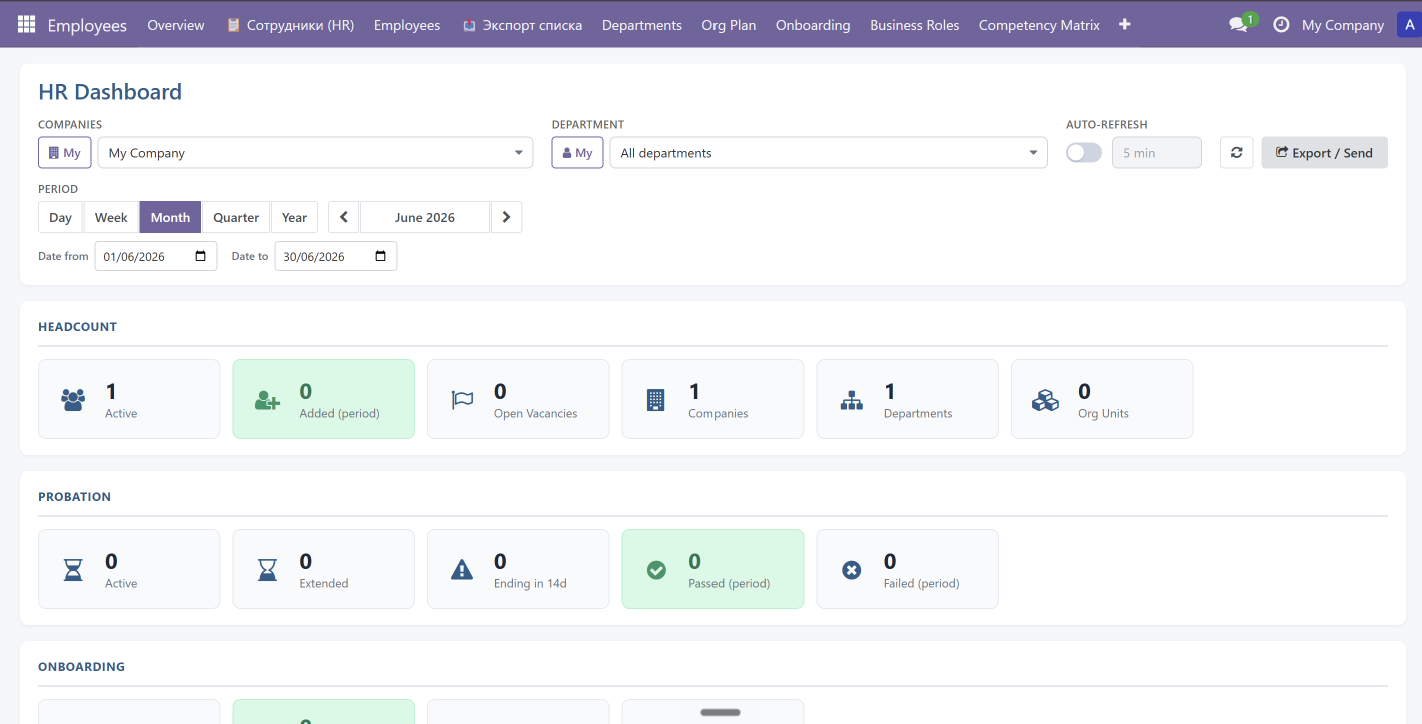
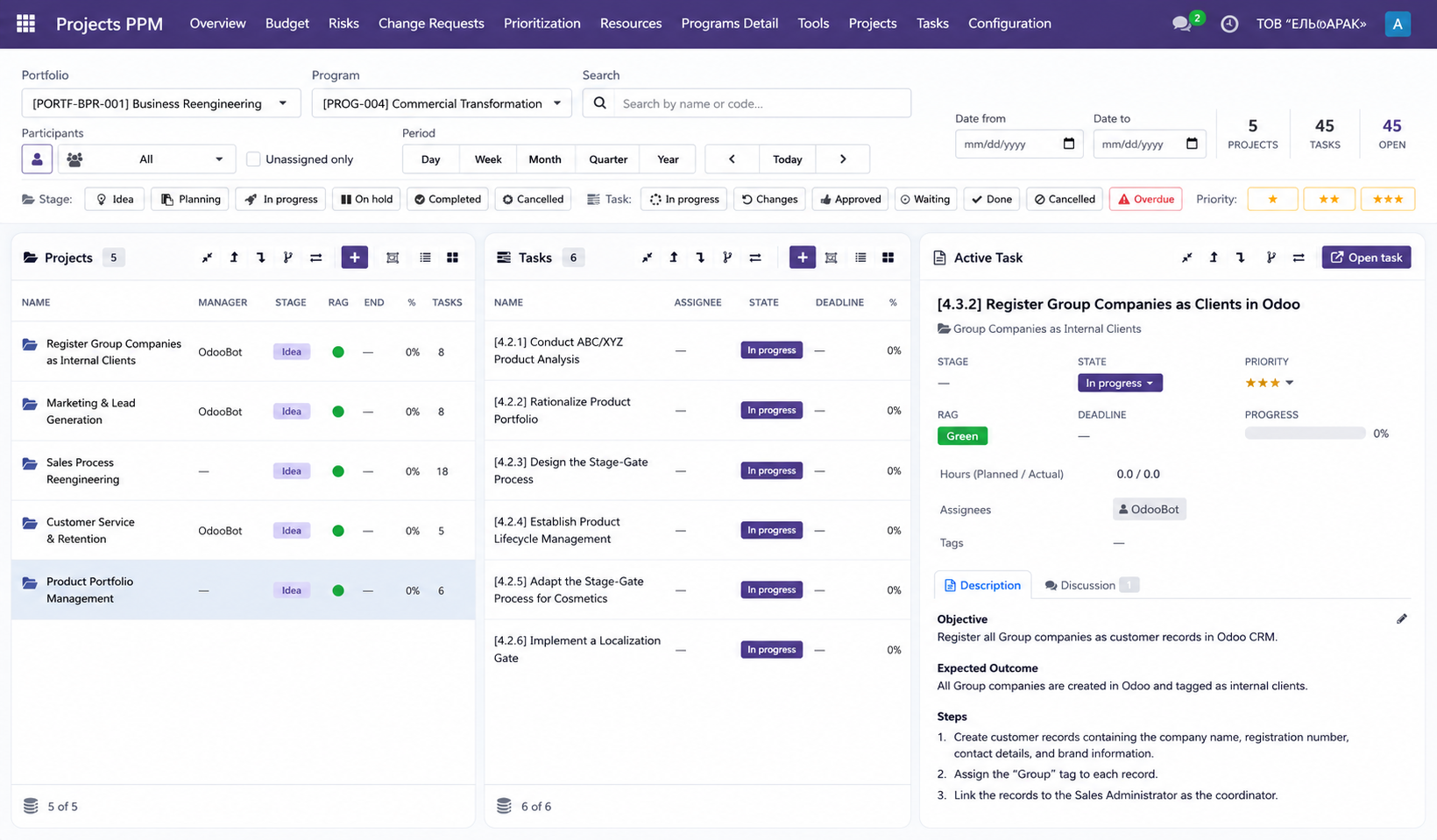
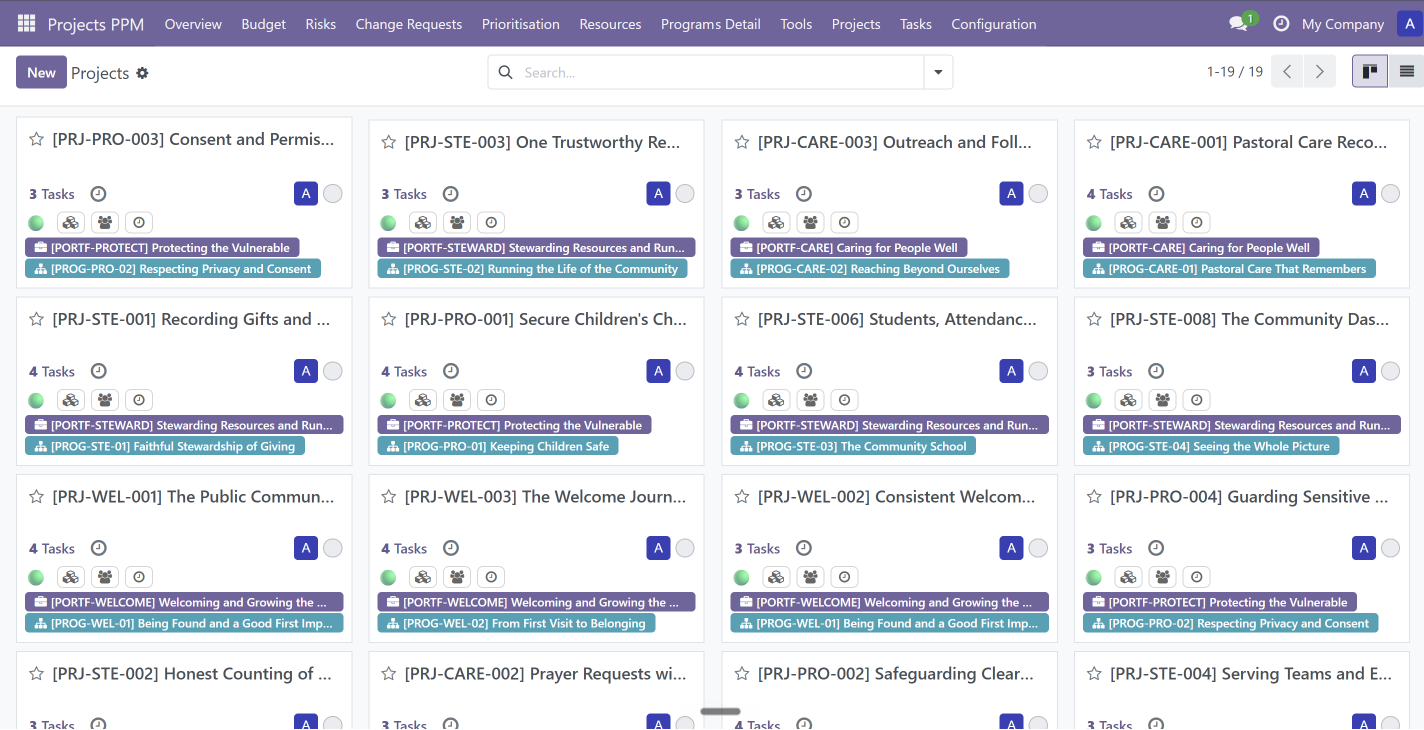
What the system actually looks like.

Three views from a recent build — custom Odoo modules, deployed inside a live operation. Project management, the project ledger, and HR operations, designed against the work rather than the brochure.

Built on top of process work that survived diagnosis. The screenshots are from a live operation; the modules are owned by the client after we leave.

03Modules shown
19+Sectors operated
2–4wkTypical payback

And when there's no shelf to buy from.

Sometimes the system you need doesn't exist yet. Someone walks up at a conference and asks, "can you build me an Uber?" — and what they mean is a platform that joins their asset-management business to every maintenance service around it. We can, and we have.

  • Marketplaces & platforms.

    Two-sided platforms that connect supply to demand — maintenance services to the assets that need them, operators to the work, buyers to sellers.

  • Enterprise, from the scratch.

    When ERP/CRM categories don't fit the business, we build the system of record itself — designed around the operation, not retrofitted to a vendor's idea of it.

  • AI in the foundation.

    Built AI-native where it counts: the agents, scoring, and automation are part of the architecture, not a feature added in phase two.

Built on work that already survived diagnosis.

The rule that keeps this practice honest: nothing gets automated or built until the process it sits on has been mapped, measured, and stabilized. We automate the parts that earned the right to be automated.

  1. Diagnostic carryover.

    The findings from the consulting phase are the input. We don't build on top of a process nobody has mapped.

  2. Track selection.

    AI development, an enterprise system, a from-scratch platform — or a combination. The diagnosis decides which, not the brochure.

  3. Build in sprints.

    Two-week sprints, each closing with a live demo against a real workflow. No "phase 2" placeholders carrying the weight of the promise.

  4. Handover.

    Documentation is part of the deliverable. A nominated internal owner runs the system from day one; we stay for one quarterly close, then disengage.