The operation you actually run, not the one on the org chart.

Diagnostics, stabilization, optimization, automation. One framework, four phases, applied across FMCG, legal, and industrial operations for over a decade.

10yrInside IKEA, Ford, Magna before founding the practice
×8Profit lift, twelve-month transformation (legal sector)
2moFrom diagnosis to a measurable change in the P&L
3certsICMCI · ASQ · Association of Development Directors
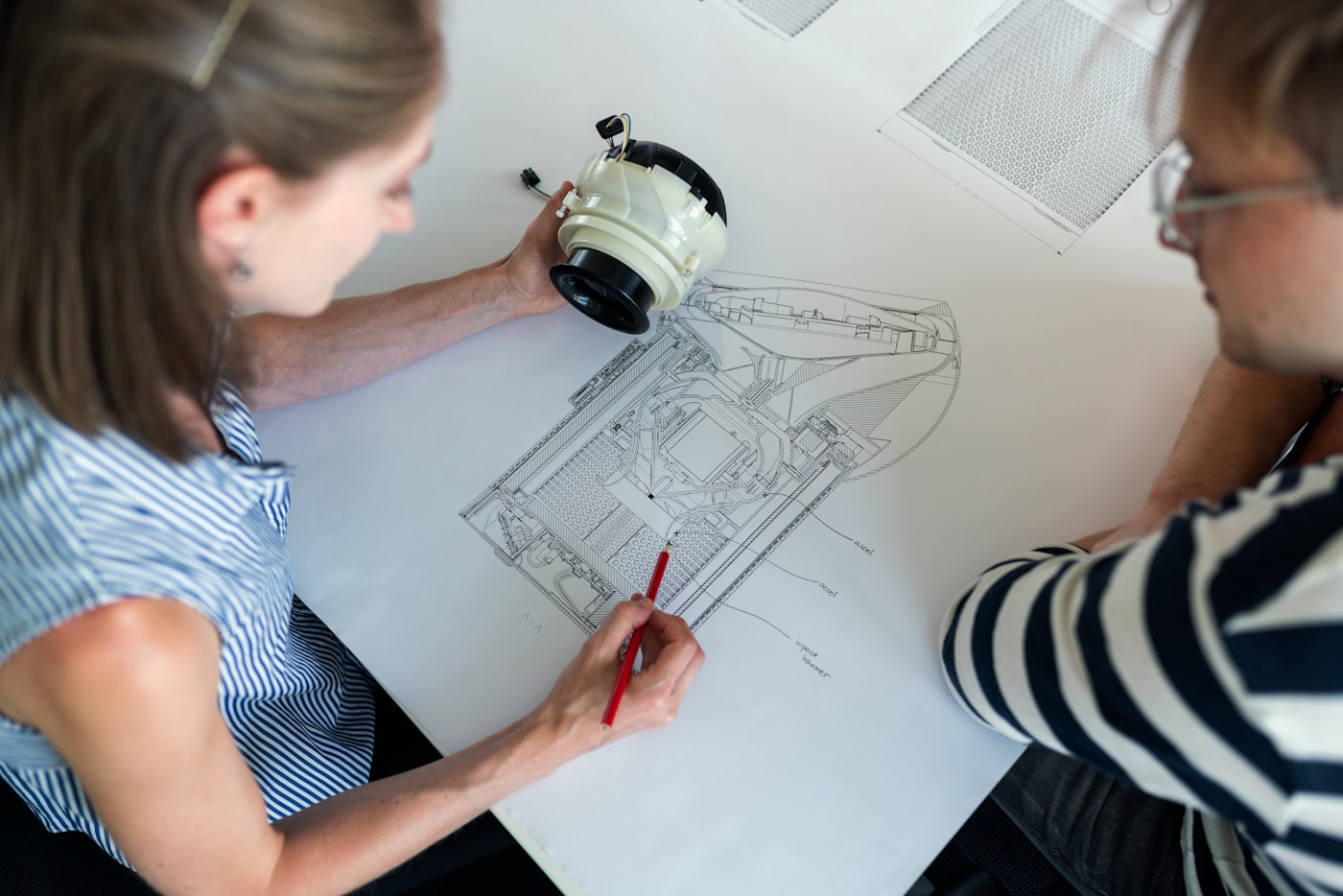
Two engineers reviewing a technical drawing alongside a physical part
A diagnostic session The leak is rarely where the noise is. The diagnosis is the work — the rest is the consequence.

Four phases.
Run in order.

Skip a phase and the next one fails. Quietly, and a quarter later. The order is the framework, not a menu.

  1. Diagnostics

    Two weeks measuring where the operation is bleeding margin, time, or trust. One ranked report. Most engagements stop here for a quarter — the diagnosis itself is sometimes enough.

    • Process & flow mapping with cycle time
    • Quality cost analysis: rework, scrap, returns
    • Single ranked report of where margin actually goes
  2. Stabilization

    Stop the bleed before any change is asked of the team. Standard work, quality gates at the handoffs that fail most often, a daily cadence the team will actually run.

    • Standard work for the top five recurring tasks
    • Quality gates at the handoffs that fail most often
    • A baseline the rest of the work can depend on
  3. Optimization

    Lean and quality-management tools applied where the diagnostics said it would matter. Not everywhere. Most engagements pay for themselves in this phase, inside two to four weeks.

    • Bottleneck removal with measured before/after
    • Decision rights and escalation rules, written down
    • Lean & QMS tooling matched to the operation
  4. Automation

    Hand the boring parts to a system. Only what survived the prior three phases is worth automating. The aim is fewer humans on the boring parts of a business that already works.

    • Tooling architecture: from spreadsheet to system
    • Process automation tied to metrics that matter
    • A team that keeps the system running after we leave

What the practice actually does.

04 verticals One framework · four shapes
01 / 04 — Service vertical

Automation

Hand the boring parts to a system.

ERP, CRM, HRM, and the smaller tools sitting between them. Selected, configured, owned by the team that uses them. Never as a substitute for the work underneath.

See the service · 01 →


02 / 04 — Service vertical

Manufacturing

The plant that holds the line — without you in it.

Lean, APQP, cost reduction, standardization. Quality as a system, not a department. Built inside IKEA, Ford, and Magna before the practice was founded.

See the service · 02 →
03 / 04 — Service vertical

CRM & Call Control

Listen to every conversation. Coach the ones that matter.

AI conversation monitoring wired into the CRM you already use. Every call transcribed, every call scored — only the calls that matter interrupt the day.

See the service · 03 →
04 / 04 — Service vertical

AI Tools

AI that fits the operation you actually have.

Executive copilots, operational agents, revenue intelligence. The lighter layer on top of the system of record — never a substitute for the work underneath.

See the service · 04 →

Three engagements. Three industries. Three numbers.

01 / 03

×8

Boutique law practice. Twelve months from first diagnosis to an eight-fold change in profit. The work was not in the law — it was in intake, the matter ledger, the partner-time accounting, and the way clients were re-engaged after the case closed. Every change structural; nothing required new headcount.

02 / 03

QMS

Solid-wood furniture producer. Quality management system designed, documented, and through external audit inside a single fiscal year — without halting production. The output is a plant that holds the line on tolerance, on lot tracing, and on customer commitments whether the head of operations is in the building or on holiday.

03 / 03

FMCG

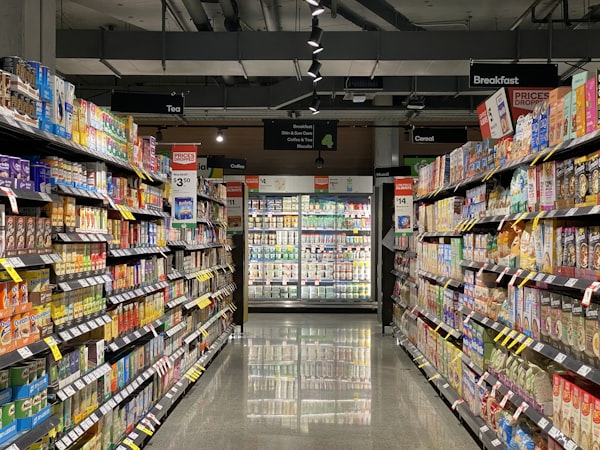
Eight stabilization workstreams, run in parallel, on an operation growing faster than its processes. The business was not broken — it was running on the founder's calendar, and the founder was running out of calendar. The post-engagement state did not need her in any single decision.

Three engagements.
Public rates. No commitment to start.

Every engagement starts with the same 60-minute diagnosis. The shape comes from what it surfaces — not from a pitch.

Every engagement starts with the same hour. The diagnosis tells us — and tells you — the right shape from there.

Book the diagnosis
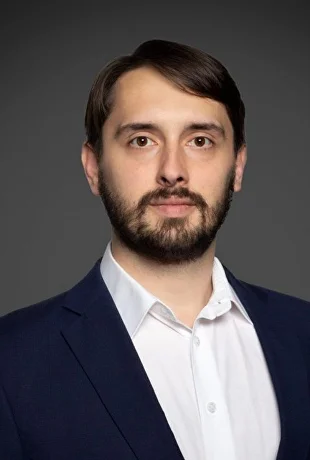
Aleksandr Ianchuk · founder of Center QOD

Aleksandr
Ianchuk.

Managerial consultant in organizational development, lean, and quality management. Built and ran lean and quality systems inside IKEA, Ford, Magna, and other industry leaders for over a decade before founding Center QOD.

ICMCI
International Council of Management Consulting Institutes
ASQ
American Society for Quality
ADD
Association of Development Directors

Bring the problem.
Leave with a ranked diagnosis.

One hour. One specific problem. One ranked root-cause shortlist and a first action you can run inside two weeks. Session fee credits against any further engagement.

contact@center-qod.com Reply within one business day · engagements taken globally