Hand the boring parts to a system.
Selection and implementation of ERP, CRM, HRM, and the smaller tools sitting between them. Built only on top of process work that has already survived diagnosis and stabilization. We don't automate chaos — we automate the parts that earned the right to be automated.
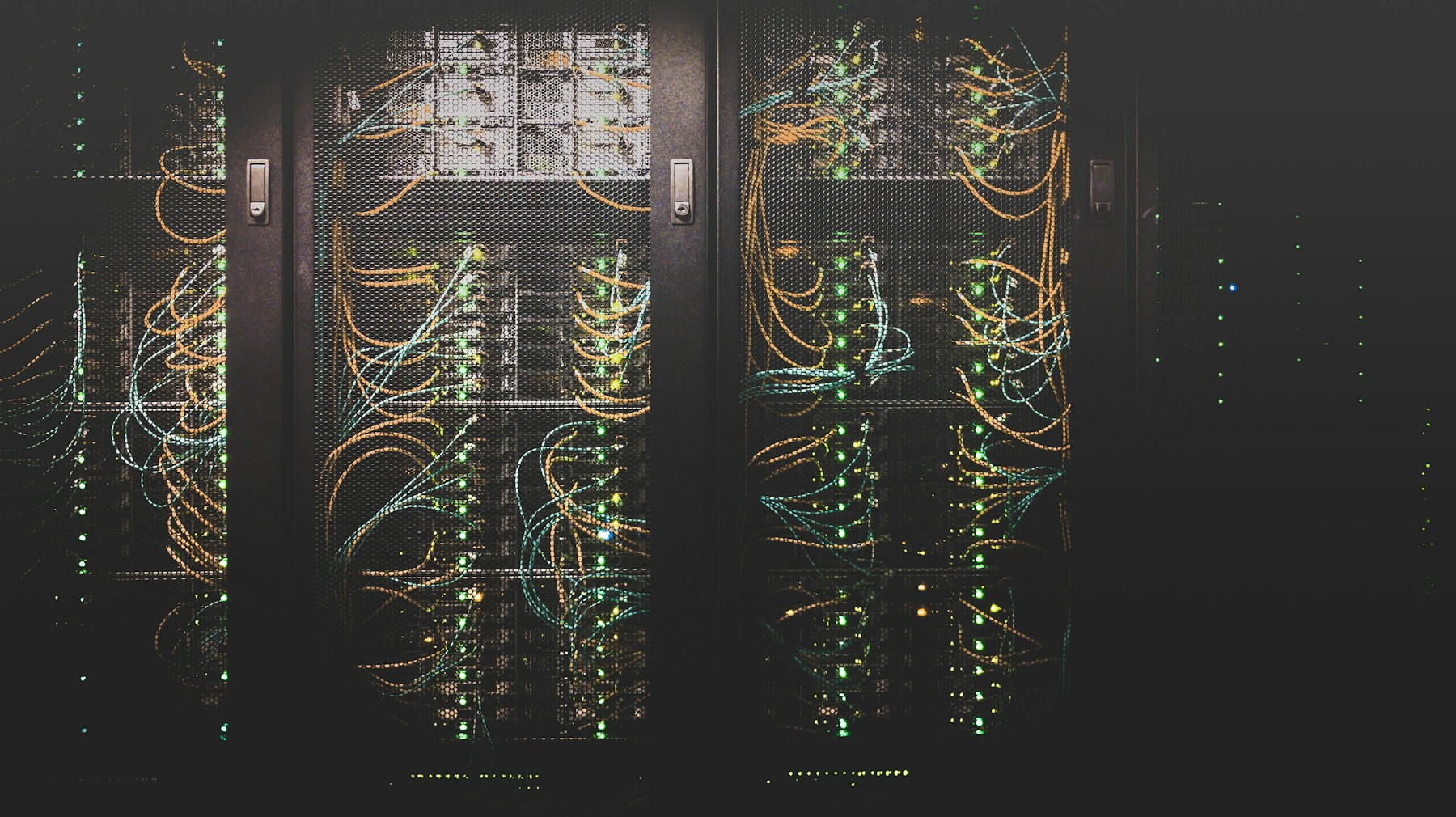
The system underneath the operation.
Four layers, every engagement. Each one earns its place by carrying weight the team can prove it was carrying before. Nothing speculative.
Data, captured at the source.
Forms, sensors, conversations, intake. The point where information enters the operation — re-shaped so it arrives clean.
Routing & rules.
Decision rights written down. Who acts on what, when, and what triggers an escalation. The standard work, automated.
The system of record.
ERP / CRM / HRM, selected against the diagnosis. Implementation is configured to the operation, not the other way round.
Review & signal.
Dashboards keyed to the metric that pays the engagement back. Weekly cadence, exception alerts, a quarterly close.
Three deliverables. One contract.
The automation engagement is bounded. Defined scope, defined endpoint, measured before/after on a metric agreed in writing.
-
A short-list, ranked.
Vendor selection without the kickback. Two to four candidates, scored against the operation's actual flow — not the marketing deck. The recommended choice is the one the team will still be using in three years.
-
A configuration, not a customization.
Out-of-the-box first; bespoke only where the diagnosis demanded it. Every workflow lives in the system, not in an analyst's head. Documentation is part of the deliverable, not an afterthought.
-
A team that runs it after we leave.
Standard work documented for the top five recurring tasks. A nominated internal owner. A quarterly review cadence we'll attend for the first year — and then we're done.

How the engagement runs.
Twelve to sixteen weeks, depending on the scope of the diagnosis. Every step has a measured exit criterion. We don't pass through unless the criterion is met.
-
Diagnostic carryover.
The findings from the prior diagnostic phase are the input. We don't automate what hasn't already been mapped, measured, and stabilized.
-
Process design.
Each automation candidate gets a process map at three levels of detail. The lowest level is the spec the system gets configured against.
-
Selection & commercial close.
Two to four vendors. Reference calls only with operators of similar scale. Contract negotiated against the spec, not the brochure.
-
Configuration sprints.
Two-week sprints, each closing with a live demo against a real workflow. No "phase 2" placeholders. If it isn't in this sprint, it's deferred to a separate engagement.
-
Cutover & handover.
Parallel run for one cycle, then full cutover. We stay for one quarterly close, then disengage. The internal owner is the system owner from day one.