FMCG · multi-SKU · regional operator
Eight workstreams in parallel. One stable operation.
The business wasn't broken — it was running on the founder's calendar, and the founder was running out of calendar. Eight stabilization workstreams, run in parallel, on an operation growing faster than its processes.
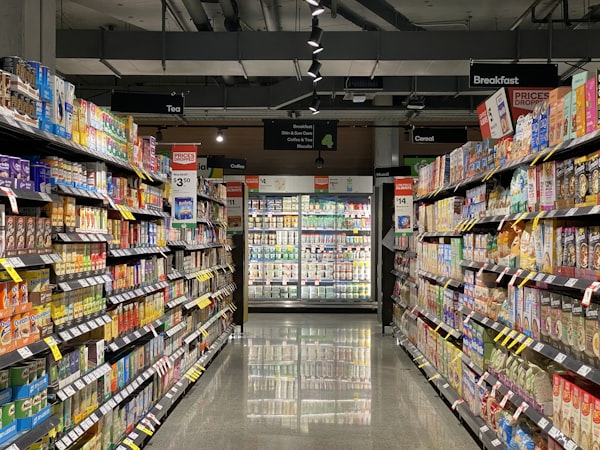
Multi-SKU FMCG. Year-on-year revenue growing 40%. Defect rate growing faster. Every line on the P&L looked healthy in isolation; the operating gestalt was that the head of the business made every consequential decision, and the cycle was getting longer.
The diagnosis identified eight discrete loss points — three on the line, three on the supply side, two in the way the team escalated exceptions. The engagement ran them in parallel because each one had a different rate-limiting step, and serializing would have meant nine more months of cycle the business didn't have.
What changed.
- Defect rate from 50% — yes, fifty — down to 9.8 PPM, on the same product, the same line, the same team.
- Margin uplift of 12.8 percentage points over the engagement window, dropping +$11M/year to the net income line.
- Decision rights for the top twenty recurring exceptions written down, signed off, and devolved away from the founder's calendar.
- A daily-cadence operating review the team ran on its own from week six onward.
What didn't.
Headcount. SKU count. Product. Customer base. The founder's role — but not the founder's day. The point of the engagement wasn't to grow the business; it was to make the business survive being grown. The next two years of growth were what proved the work.